
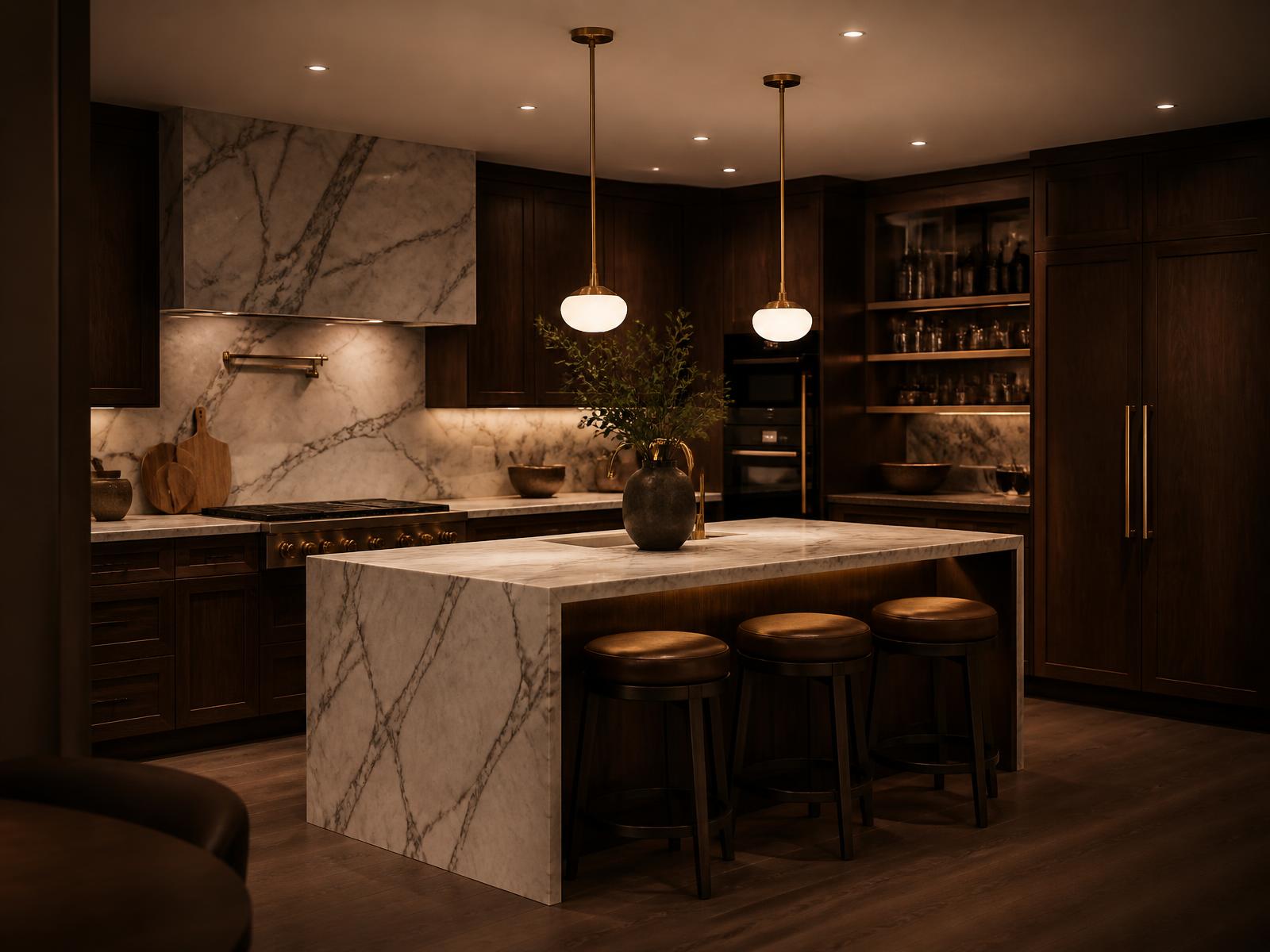
Why Renovations Trigger Electrical Panel Upgrades
Many older homes across Toronto and the GTA were built with 60-amp or 100-amp electrical panels. Decades ago, this provided ample power for basic lighting, a refrigerator, and a television. Modern living demands significantly more energy, and a major home renovation almost always increases electrical load beyond what older panels can safely distribute. Adding a finished basement, modern kitchen appliances, or high-draw HVAC equipment frequently pushes an older electrical system well past its safe operational threshold.
When you apply for building permits in Toronto, your plans are evaluated under the Ontario Building Code. If your scope includes major appliance additions or expanded square footage, an electrical load calculation is usually required. If total demand exceeds 80 percent of your panel's rated capacity, the Electrical Safety Authority (ESA) and local building inspectors will require a service upgrade to 200 amps before signing off on final permits.
- •Switching from gas appliances to high-draw electrical alternatives like induction cooktops and electric water heaters
- •Adding an secondary suite, basement apartment, or garden suite requiring dedicated subpanels
- •Installing fast-charging Level 2 EV chargers, cold-climate heat pumps, or hot tubs
Signs Your Existing Panel Cannot Handle Your New Layout
Beyond official code requirements, your current panel offers physical and operational clues that it needs replacing. A clear indicator is a panel door full of breaker switches with no remaining vacant slots for new circuits. While tandem or "twin" breakers sometimes allow two circuits in one slot, panels have strict limits on how many tandems are permitted. Overcrowded panels with cramped wiring create excessive heat and elevate fire risks.
Operational symptoms like flickering lights when heavy appliances kick on, frequently tripped breakers, or a warm panel enclosure strongly suggest an overworked system. Additionally, homes featuring old fuse boxes or notorious panels manufactured by Federal Pacific or Sylvania should be replaced immediately during a renovation. Many Canadian home insurance providers refuse to cover properties with active fuse blocks or recalled panel brands due to established safety risks.
Real Costs for an Electrical Panel Upgrade in Toronto (2026)
For a standard single-family home in Toronto or surrounding GTA municipalities, upgrading from a 100-amp to a 200-amp service panel generally ranges between $3,500 and $8,500 including supply, labour, fees, and HST. A straightforward indoor panel replacement where external service lines remain adequate sits at the lower end of that spectrum. However, every home presents distinct structural and utility conditions that shift total investment.
If your renovation requires relocating the main panel to a new wall, moving underground supply lines, or replacing an outdated exterior metre base and weatherhead mast, total costs adjust upward. Municipal utility charges from providers like Toronto Hydro, Alectra, or Elexicon for temporary disconnects and reconnects also affect the final invoice. It is critical to budget for both electrician trade costs and utility administration fees when planning your renovation scope.
- •Basic 100A to 200A panel swap (existing overhead service): $3,500 to $5,500
- •Panel upgrade requiring underground service trenching or new mast: $5,500 to $8,500+
- •Utility disconnection/reconnection fees (Toronto Hydro or local LDC): $500 to $1,500
Key Cost Drivers: Overhead, Underground, and Utility Logistics
The primary cost driver in a GTA panel upgrade is how power enters your home. Older central Toronto neighbourhoods like Leslieville, High Park, or Cabbagetown frequently feature overhead service drop cables running from street poles to a roof mast. Upgrading overhead service usually involves replacing the metre socket, service mast, and heavy copper conductors leading down to your interior distribution panel.
In modern GTA subdivisions or homes with converted underground utilities, upgrading power involves running thicker conductors through buried conduit. If existing underground pipes are damaged, undersized, or frozen, excavation across driveways or landscaped front lawns becomes necessary. Civil trenching, soil backfilling, and surface restoration significantly increase overall project costs compared to simple overhead mast swaps.
Permits, ESA Inspections, and Toronto Hydro Coordination
Electrical work in Ontario is strictly regulated to protect occupants and property. In Toronto, an electrical panel upgrade requires an official permit issued by the Electrical Safety Authority (ESA) and must be performed by a Licensed Electrical Contractor (LEC). Master electricians handle the physical installation, but the work remains incomplete until an ESA inspector conducts an on-site evaluation and issues a Certificate of Acceptance.
Coordination between your trade contractor, the ESA, and your local distribution company (LDC) like Toronto Hydro requires careful scheduling. On cut-over day, utility crews disconnect the power feed at the street line. The electrical crew replaces the panel, metre socket, and service conductors before the ESA inspector arrives to review the installation. Once approved, the utility returns to restore power—a tightly choreographed process that must happen within a precise window.
- •1. Architectural Planning & ESA Load Calculation: Confirming ampacity needs during design.
- •2. Utility Layout & ESA Permit Issuance: Applying for service clearances with Toronto Hydro.
- •3. Main Power Disconnect & Trade Installation: Swapping metre socket, mast, and breaker panel.
- •4. ESA Inspection & Reconnection: Inspector signs off so utility can restore power supply.
Sequencing the Upgrade Within Your Renovation Timeline
Timing an electrical panel upgrade correctly prevents expensive trade delays and avoid re-opening finished walls. The upgrade should always occur during the initial mechanical rough-in phase of your project, immediately after demolition and structural framing adjustments are complete. Attempting to swap a main breaker panel after insulation and drywall are installed leads to unnecessary damage and patch costs.
Upgrading the main service panel early establishes the baseline capacity needed for secondary rough-in work, such as running new branch circuits for kitchen islands, spa bathrooms, or basement suites. It also ensures temporary construction power is safe and reliable for site crews operating heavy tools throughout the framing and finishes stages.
Common Mistakes That Waste Money During Panel Upgrades
A frequent mistake homeowners make is assuming a panel upgrade only involves swapping the grey metal box on the basement wall. Installing a 200-amp distribution panel without upgrading the incoming utility wires or metre base leaves your system incapable of drawing full capacity. This creates dangerous bottlenecking and fails ESA inspection sign-offs, forcing double labour costs to rectify the service drop later.
Another costly error is failing to anticipate utility processing backlogs. Toronto Hydro and GTA utilities often require four to eight weeks lead time to process service layout drawings and clear scheduled disconnect dates. If your general contractor does not submit utility applications early in the design phase, whole-home renovation progress can stall completely while waiting for power line access.
- •Failing to engage Toronto Hydro early, causing weeks of delay for utility disconnect scheduling
- •Installing drywall before ESA inspection and approval, forcing trade crews to cut openings for inspection access
- •Neglecting to upgrade incoming service wire sizing, leaving the panel starved of actual 200-amp supply
- •Overlooking arc-fault circuit interrupter (AFCI) breaker requirements mandated for updated branch circuits
Planning Your GTA Renovation with Confidence
Upgrading your electrical panel provides the essential power foundation required to support modern layouts, advanced heating systems, and high-efficiency appliances safely. By identifying your electrical scope early, securing proper ESA permits, and budgeting accurately for utility coordination, you ensure your Toronto renovation runs smoothly from framing to final handover.
At CONHECT, we manage complex residential renovations across Toronto and the GTA with meticulous planning and transparent trade oversight. Contact our team today to discuss your upcoming project and ensure your home's infrastructure is built for the future.
Where we do this work
Whole-Home Renovation across Toronto & the GTA
Explore our whole-home renovation service or see what the process looks like in Toronto.
Related service
Whole-Home Renovation in Toronto & the GTA
Sometimes the answer is not one room. A whole-home renovation lets us rethink how the entire house flows — and replace the wiring, plumbing and insulation while the walls are already open.
See Whole-Home Renovation